Shareholders' Digest
Today: January 15, 2026
subscribe
Thank you for subscribing.
We have sent you a verification email, please check your inbox.

Shareholders' Digest
Financial news and analysis digest for shareholders · Since 2026
 Substack
 Medium
 Reddit
 X
X
December 15, 2025 • Economy • Manufacturing • 6 mins read
U.S. Manufacturing Activity Contracts as Demand Remains Weak
U.S. manufacturing activity remained under pressure in the latest data, signaling continued weakness in a sector that has struggled amid higher borrowing costs and slowing global demand.
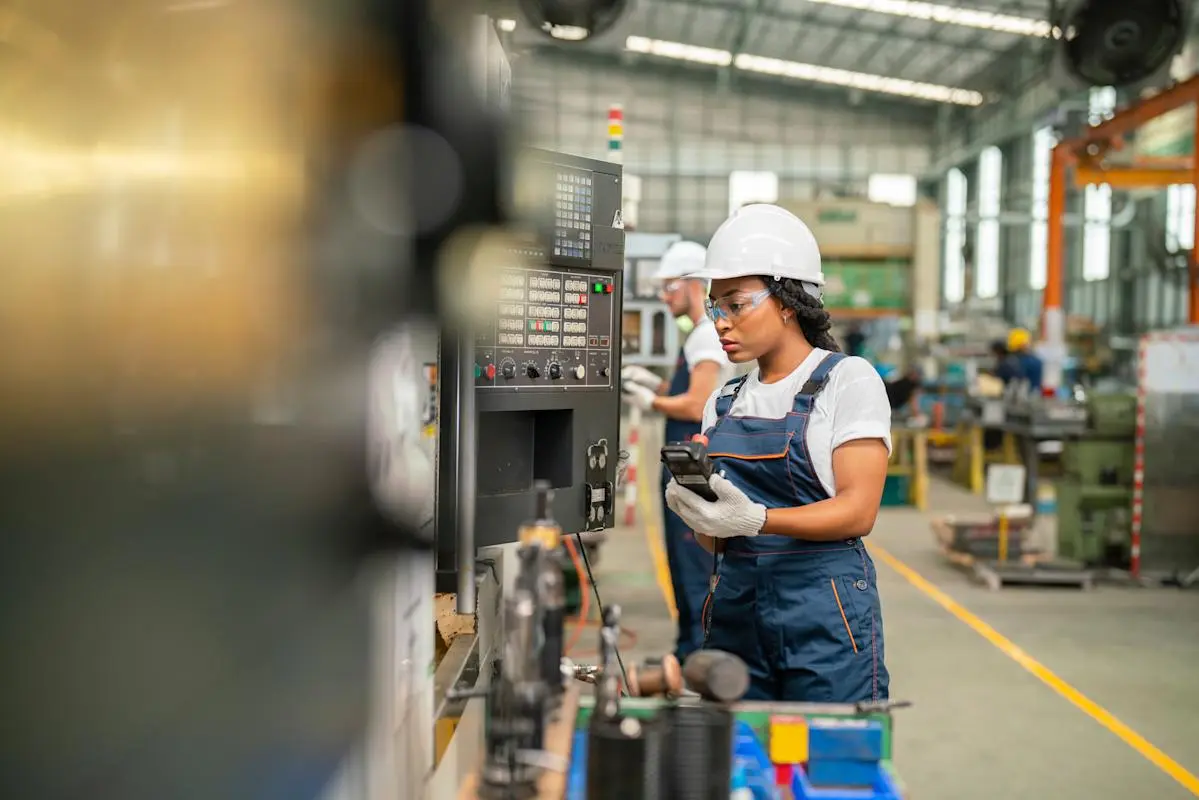
According to recent survey results, factory output, new orders, and employment all declined, keeping the manufacturing index firmly below the expansion threshold.
According to recent survey results, factory output, new orders, and employment all declined, keeping the manufacturing index firmly below the expansion threshold. While some industries showed stabilization, overall momentum remained subdued.
Industries tied to heavy equipment, machinery, and exports reported the sharpest pullbacks, while food and essential goods manufacturing showed relative resilience.
Manufacturing Trends and Economic Impact
"Although manufacturing represents a smaller share of the U.S. economy than services, prolonged weakness can ripple through supply chains and regional labor markets. The slowdown has weighed on freight volumes, industrial production, and capital spending."
— Industrial Economist, Manufacturing Institute
Sector Analysis and Economic Outlook
Manufacturing Performance Factors
Analysts expect manufacturing to remain challenged in the near term, though stabilization is possible if interest rates ease and global demand improves. For now, most forecasts point to a gradual recovery rather than a sharp rebound.
Key Determinants
Several factors will determine the manufacturing sector's trajectory in the coming months: interest rate path (Federal Reserve policy and borrowing costs), global demand (international trade conditions and export markets), business investment (capital expenditure and equipment spending), supply chain dynamics (inventory management and supplier relationships), labor market conditions (employment trends and wage pressures), and energy costs (industrial energy prices and production costs).
Broader Economic Context
The current manufacturing environment reflects broader economic headwinds, including tighter financial conditions, moderating consumer demand, and global economic uncertainty. While some subsectors show resilience, the overall picture points to continued challenges in the near term.
The manufacturing slowdown adds to broader concerns about economic momentum heading into 2026, particularly in regions with significant industrial employment. Some economists argue that persistent contraction in manufacturing could eventually influence policy decisions if spillover effects intensify.
"The manufacturing sector is going through a cyclical adjustment after years of strong growth. While current conditions are challenging, the fundamentals for a recovery remain in place once interest rates stabilize and global demand begins to improve."
— Director of Research, Manufacturing Institute
Monitoring and Future Outlook
Market participants will be monitoring upcoming industrial production data, purchasing managers' surveys, and business investment plans for signs of stabilization. The combination of monetary policy adjustments, inventory rebalancing, and demand recovery will shape the manufacturing sector's path forward.
Related Reading: Learn more about industrial production trends and business investment outlook.

Economist and policy analyst specializing in macroeconomic trends and global economic indicators.
Covers inflation, employment data, central bank policy, and their impact on financial markets and consumers.
Credentials: Ph.D. in Economics, Former Federal Reserve Analyst.

US Stock Market Today: Wall Street Drops as AI Bubble Fears Hit Tech Stocks
Wall Street slipped on Friday as concerns over a potential AI bubble intensified following Broadcom's weaker-than-expected sales forecast.

Long-Term Investors Add Dividend Stocks as Yields Stabilize
Long-term investors are increasing exposure to dividend-paying stocks as Treasury yields stabilize and income-focused strategies regain appeal.

Nike Tops Earnings Forecasts as Holiday Demand Surges
Nike delivered stronger-than-expected quarterly earnings as holiday-season sales and international growth boosted results.

U.S. Consumer Spending Softens as Inflation Pressures Persist
U.S. consumer spending showed signs of slowing as persistent inflation and higher borrowing costs weighed on household budgets.

Board Diversity Remains in Focus as Investors Demand Broader Representation
U.S. investors are renewing calls for greater board diversity, pushing companies to expand representation across gender, ethnicity, and professional background.
about us

Shareholders' Digest is an independent financial news and analysis publication dedicated to shareholders, investors, and market participants. We deliver timely coverage of global markets, corporate earnings, economic trends, and governance issues that shape long-term investment outcomes.
recent posts
tags
follow
Substack
Medium
Reddit
X
author
newsletter
Go To
Top