Shareholders' Digest
Today: January 15, 2026
subscribe
Thank you for subscribing.
We have sent you a verification email, please check your inbox.

Shareholders' Digest
Financial news and analysis digest for shareholders · Since 2026
 Substack
 Medium
 Reddit
 X
X
December 15, 2025 • Economy • Labor Market • 6 mins read
U.S. Job Growth Slows as Labor Market Shows Signs of Cooling
The U.S. labor market is showing signs of gradual cooling as job growth slowed in recent weeks, reinforcing expectations that economic momentum is moderating heading into 2026.
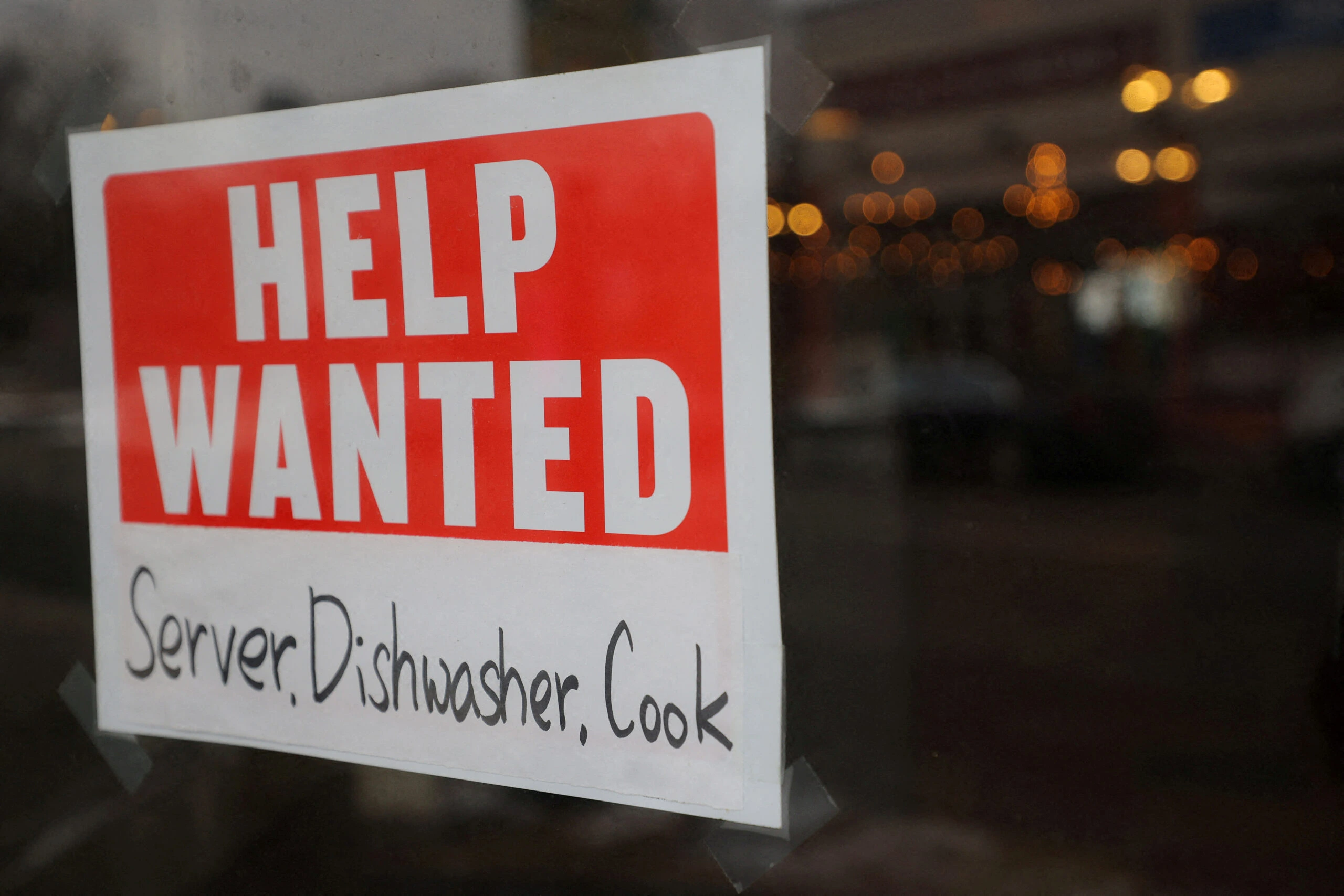
U.S. job growth slowed in recent weeks as higher interest rates and cautious corporate hiring weighed on the labor market.
According to the latest government data, employers added fewer jobs than anticipated, while hiring activity softened across several sectors including manufacturing, transportation, and professional services. Although unemployment remains historically low, the pace of job creation has eased from earlier highs.
Despite the cooling trend, layoffs remain limited, and labor participation has held steady, suggesting that the economy is adjusting rather than contracting heading into the new year.
Labor Market Analysis: Economic Implications
"The latest labor data is likely to factor into the Federal Reserve's policy outlook. A cooling labor market could give policymakers more flexibility, though officials have stressed that decisions will remain data-dependent."
— Federal Reserve Analyst, Goldman Sachs
Broader Economic Outlook and Sector Analysis
Consumer and Business Impact
While slower job growth may temper consumer spending in coming months, economists note that household balance sheets remain relatively healthy. Retail spending has softened but not collapsed, and service-sector demand remains resilient.
Economic Indicators to Watch
Most forecasts point to moderate economic growth rather than recession, with risks tied primarily to global conditions, energy prices, and financial market volatility. Key economic indicators to watch include:
- Consumer Spending: Retail sales and personal consumption data
- Business Investment: Capital expenditure and equipment orders
- Housing Market: Home sales and construction activity
- Inflation Metrics: Core PCE and consumer price index
- Manufacturing Activity: PMI and industrial production
- International Trade: Export/import balances and trade policy
The current economic landscape represents a transition from the rapid recovery phase to more sustainable growth. While certain sectors are experiencing headwinds, others continue to show resilience, creating a mixed but manageable economic environment.
"The labor market cooling we're seeing is a healthy adjustment rather than a sign of distress. After years of exceptionally tight conditions, a gradual moderation in hiring is both expected and necessary to bring the economy into better balance without triggering widespread job losses."
— Chief Economist, Goldman Sachs
Policy Implications and Future Outlook
Analysts expect additional clarity from upcoming inflation and consumer confidence data later this month. The combination of employment trends, price stability measures, and consumer behavior will provide a more complete picture of the economic trajectory heading into 2026.
Related Reading: Learn more about inflation trends and Fed policy and key economic indicators analysis.

Economist and policy analyst specializing in macroeconomic trends and global economic indicators.
Covers inflation, employment data, central bank policy, and their impact on financial markets and consumers.
Credentials: PhD in Economics, Former Fed Analyst.

US Stock Market Today: Wall Street Drops as AI Bubble Fears Hit Tech Stocks
Wall Street slipped on Friday as concerns over a potential AI bubble intensified following Broadcom's weaker-than-expected sales forecast.
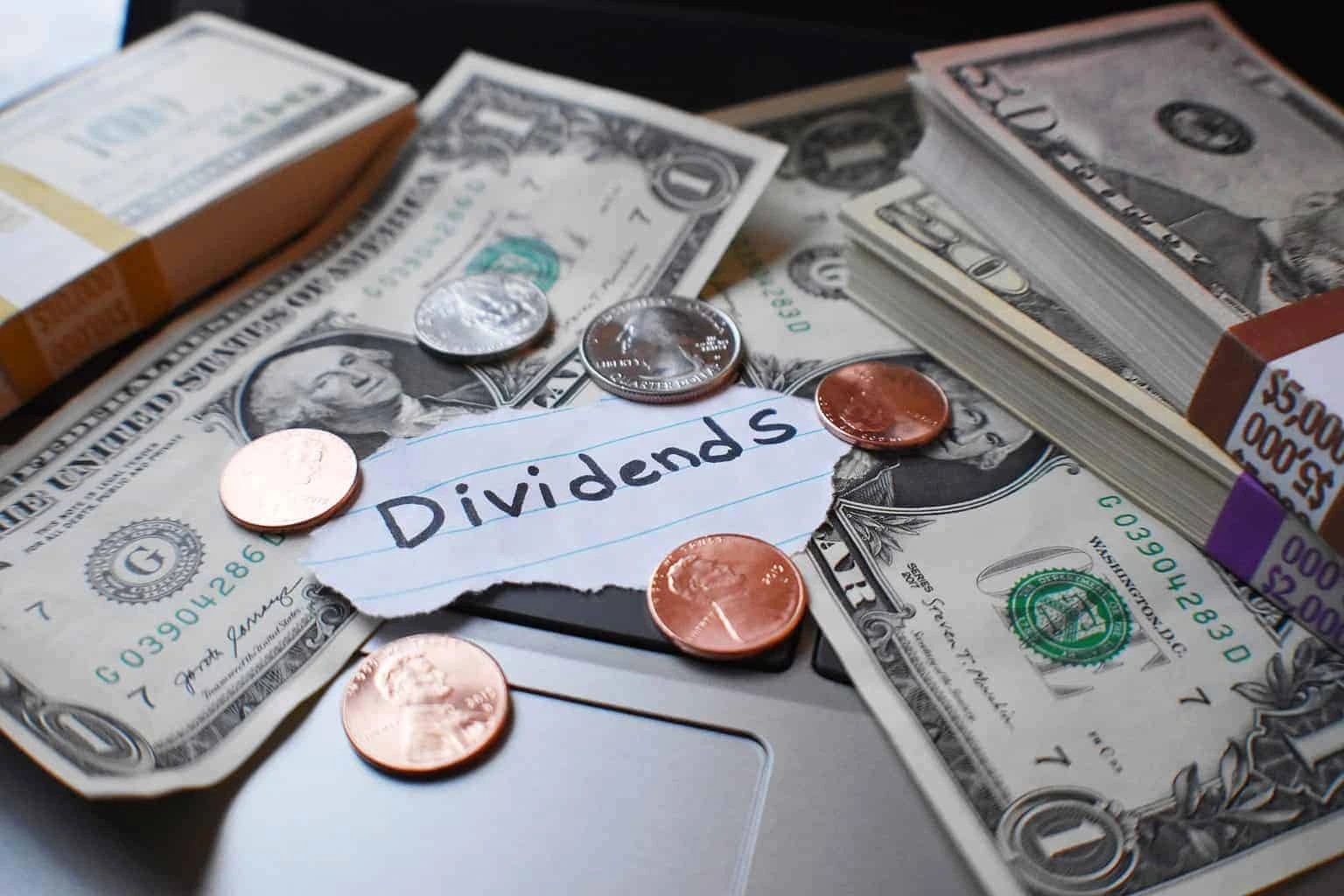
Long-Term Investors Add Dividend Stocks as Yields Stabilize
Long-term investors are increasing exposure to dividend-paying stocks as Treasury yields stabilize and income-focused strategies regain appeal.

Nike Tops Earnings Forecasts as Holiday Demand Surges
Nike delivered stronger-than-expected quarterly earnings as holiday-season sales and international growth boosted results.

U.S. Consumer Spending Softens as Inflation Pressures Persist
U.S. consumer spending showed signs of slowing as persistent inflation and higher borrowing costs weighed on household budgets.

Board Diversity Remains in Focus as Investors Demand Broader Representation
U.S. investors are renewing calls for greater board diversity, pushing companies to expand representation across gender, ethnicity, and professional background.
about us

Shareholders' Digest is an independent financial news and analysis publication dedicated to shareholders, investors, and market participants. We deliver timely coverage of global markets, corporate earnings, economic trends, and governance issues that shape long-term investment outcomes.
recent posts
author
newsletter
Go To
Top