Shareholders' Digest
April 23, 2026
subscribe
Thank you for subscribing.
We have sent you a verification email, please check your inbox.

Financial news and analysis digest for shareholders · Since 2026
 Substack
 Medium
 Reddit
 X
X
February 3, 2026 • Economy • Trade Policy • 6 mins read
U.S. and India Strike Landmark Trade Deal as Washington Cuts Tariffs to Boost Economic Ties
In a major development shaking global markets, U.S. President Donald Trump and Indian Prime Minister Narendra Modi reached a landmark trade agreement, with Washington cutting reciprocal tariffs on Indian imports from 25 % to 18 % and India agreeing to ease trade barriers and boost purchases of U.S. goods. The move is expected to strengthen economic ties, support U.S. exporters, and improve investor sentiment across sectors impacted by tariff uncertainty.
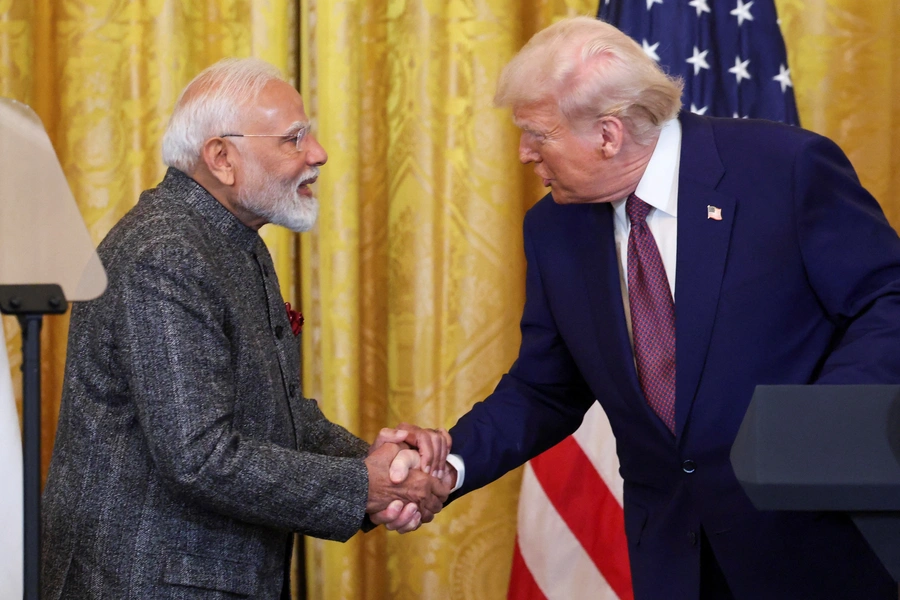
U.S. President Donald Trump and Indian Prime Minister Narendra Modi announcing the landmark trade deal between the two nations
The United States and India have announced a landmark trade agreement that represents a significant shift in economic relations between the world's two largest democracies. The deal, reached after months of negotiations, will see Washington cut reciprocal tariffs on Indian imports from 25% to 18%, while India has agreed to ease trade barriers and increase purchases of U.S. goods. This strategic move is expected to strengthen economic ties, support U.S. exporters, and improve investor sentiment across sectors impacted by tariff uncertainty.
The agreement, announced jointly by U.S. President Donald Trump and Indian Prime Minister Narendra Modi, also includes commitments on energy and technology trade, signaling deeper strategic cooperation between the two nations. The deal comes at a critical time when both countries are seeking to diversify their trade partnerships and strengthen economic resilience in an increasingly complex global landscape.
Key Deal Highlights
- Tariff Reduction: U.S. cuts tariffs on Indian imports from 25% to 18%
- Trade Barrier Reduction: India agrees to ease non-tariff barriers on U.S. goods
- Increased Purchases: India commits to boost purchases of U.S. agricultural and energy products
- Energy Cooperation: Enhanced market access for U.S. LNG exports to India
- Technology Trade: Framework for cross-border data flows and digital trade
- Bilateral Trade Growth: Expected to increase by 20-25% over next two years
The Tariff Reduction: A Strategic Move
The centerpiece of the agreement is the substantial reduction in U.S. tariffs on Indian imports, dropping from 25% to 18%. This move is particularly significant given the contentious trade relations between the two countries in recent years. The tariff cuts are expected to immediately benefit Indian exporters across multiple sectors, including textiles, pharmaceuticals, and agricultural products.
For American businesses, the reduction in trade barriers comes as a welcome relief after years of uncertainty. The agreement includes specific provisions for U.S. agricultural exports, which have faced significant challenges in accessing the Indian market. Indian officials have committed to streamlining customs procedures and reducing non-tariff barriers that have historically hampered trade between the two nations.
Energy and Technology Cooperation
Beyond the tariff reductions, the agreement includes significant commitments on energy and technology trade. The U.S. has secured greater market access for its liquefied natural gas (LNG) exports to India, which is seeking to diversify its energy sources away from traditional suppliers. This energy cooperation is expected to create new opportunities for American energy companies while helping India meet its growing energy demands.
The technology component of the deal addresses long-standing issues around data localization and digital trade. Both countries have agreed to establish a framework for cross-border data flows while maintaining appropriate privacy and security safeguards. This agreement is particularly important for U.S. technology companies that have faced regulatory challenges in the Indian market.
Economic Impact and Market Reaction
The announcement of the trade deal has already sent positive ripples through global financial markets. Asian markets reacted positively to the news, with Indian equities and the rupee gaining ground. U.S. exporters' stocks, particularly in the agricultural and energy sectors, have seen increased investor interest as market participants anticipate improved access to the large Indian consumer market.
Economic analysts predict that the deal could boost bilateral trade between the two nations by 20-25% over the next two years. This growth would come primarily from increased U.S. exports of agricultural products, energy, and high-tech equipment to India, while Indian exports of textiles, pharmaceuticals, and manufactured goods to the U.S. would also see significant expansion.
Strategic Implications for Global Trade
The U.S.-India trade agreement comes at a time of significant realignment in global trade relationships. As both countries seek to reduce their economic dependence on China, this deal represents an important step toward creating alternative supply chains and trade partnerships. The agreement sends a strong signal about the strategic importance of the U.S.-India relationship in the evolving global economic order.
For the United States, the deal represents a shift toward more pragmatic trade relations with key strategic partners. The Trump administration has emphasized that this agreement is part of a broader strategy to rebalance America's trade relationships while supporting domestic industries and exporters.
Implementation and Monitoring Mechanisms
The agreement includes detailed provisions for implementation and dispute resolution. Both countries have agreed to establish a joint working group that will monitor the implementation of the deal and address any issues that arise. This mechanism is designed to ensure that both parties comply with their commitments and that the benefits of the agreement are fully realized.
Regular review meetings are scheduled every six months to assess progress and address any emerging concerns. The agreement also includes provisions for technical assistance and capacity building, particularly in areas where regulatory differences have previously hindered trade.
Domestic Reactions and Political Context
The trade deal has received mixed reactions in both countries. In the United States, business groups have largely welcomed the agreement, praising the improved market access and reduced trade barriers. However, some labor unions have expressed concerns about potential job displacement in certain manufacturing sectors.
In India, the agreement has been celebrated by export-oriented industries but has faced criticism from some domestic sectors concerned about increased competition from U.S. imports. The Indian government has emphasized that the agreement includes safeguards for sensitive domestic industries and that the phased implementation will allow for adequate adjustment periods.
Future Prospects and Next Steps
While the current agreement represents a significant breakthrough, both countries have indicated that this is just the first step in a broader economic partnership. Future negotiations are expected to address additional trade issues, including intellectual property rights, services trade, and investment protections.
The successful implementation of this agreement could pave the way for more comprehensive economic cooperation, potentially including discussions about a broader free trade agreement. Both sides have expressed optimism about the future of the bilateral relationship and the opportunities for enhanced economic cooperation.
Global Economic Significance
The U.S.-India trade agreement has significant implications for the global economy. As two of the world's largest economies strengthen their economic ties, the deal could influence global trade patterns and supply chain configurations. The agreement also demonstrates that major economies can find common ground on trade issues even in a complex geopolitical environment.
For other countries, particularly those in Asia, the deal serves as a reminder of the importance of diversifying trade relationships and building resilient economic partnerships. The agreement may also encourage other nations to pursue similar trade agreements with both the United States and India.

Senior Economics Correspondent with expertise in macroeconomic trends, Federal Reserve policy, and global economic indicators.
Holds a Ph.D. in Economics and previously worked at the Federal Reserve. Specializes in trade policy, international economics,
and financial market analysis with a focus on U.S.-Asia economic relations.
Credentials: Ph.D. Economics, Former Federal Reserve Analyst.
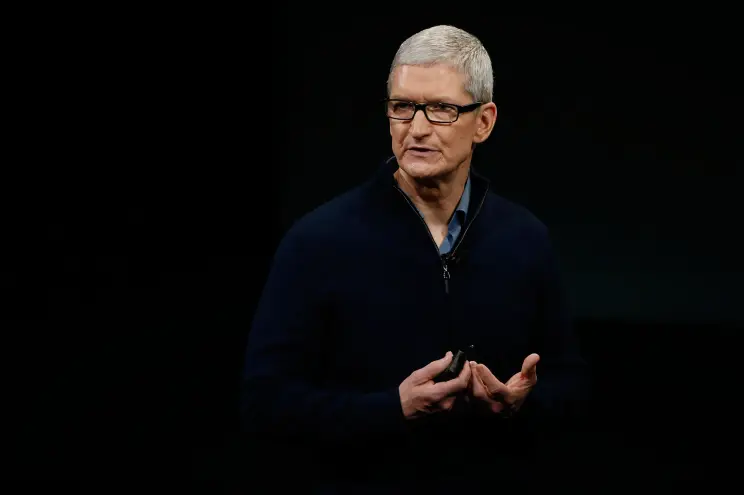
Apple's Q1 2026 Results Beat Expectations as iPhone Demand Soars
Apple reported very strong first‑quarter earnings, with revenue at about $143.8 billion and earnings per share of $2.84 — both comfortably above Wall Street forecasts.
Dow Jones Falls 400 Points as Tech Selloff Intensifies on Fed Rate Fears
The Dow Jones Industrial Average tumbled more than 400 points on Thursday as a tech stock selloff accelerated amid renewed concerns about Federal Reserve interest rate policy.
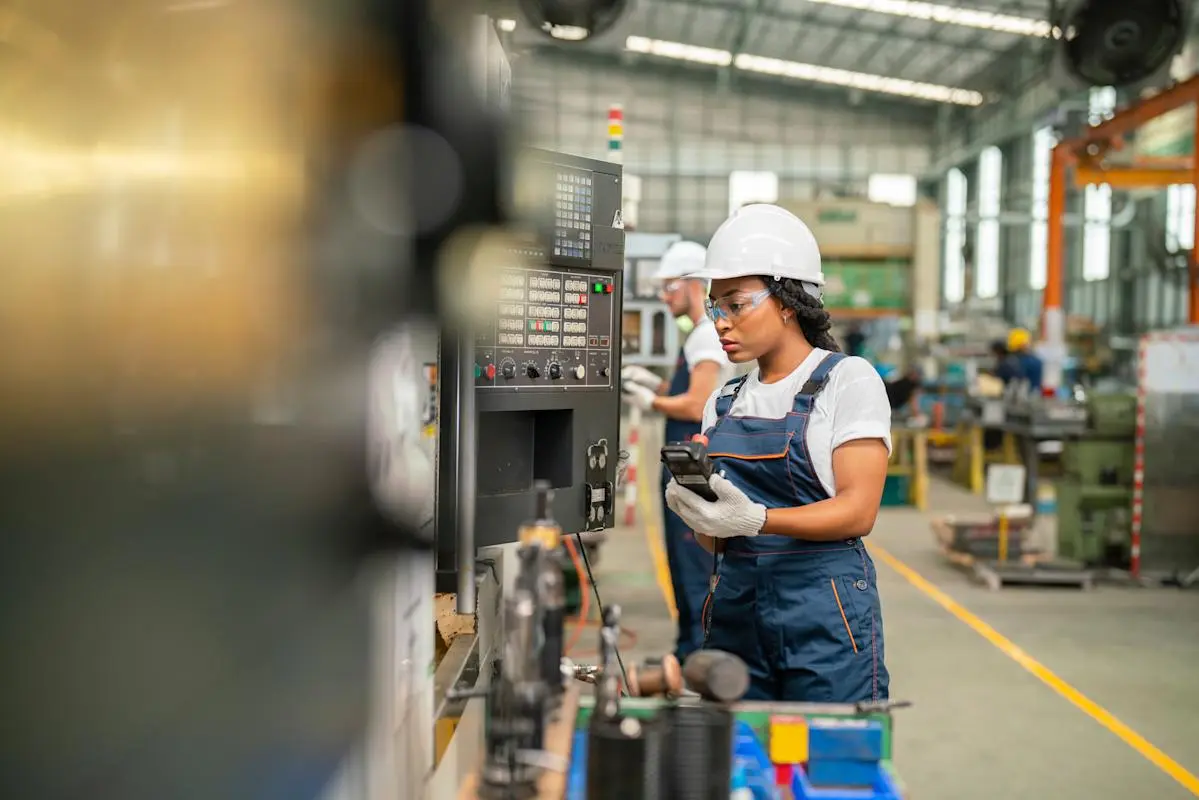
U.S. Manufacturing Activity Contracts as Demand Remains Weak
U.S. manufacturing activity slipped deeper into contraction territory as weak domestic and global demand continued to pressure factories.

U.S. Housing Market Remains Under Pressure as Mortgage Rates Stay Elevated
U.S. housing activity remains under pressure as elevated mortgage rates continue to weigh on affordability and homebuyer demand.
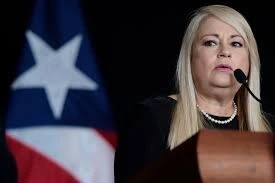
Trump Pardons Wanda Vázquez in Puerto Rico Corruption Case
Former President Donald Trump issued a pardon to former Puerto Rico Governor Wanda Vázquez Garced, who was facing federal corruption charges.
about us

Shareholders' Digest is an independent financial news and analysis publication dedicated to shareholders, investors, and market participants. We deliver timely coverage of global markets, corporate earnings, economic trends, and governance issues that shape long-term investment outcomes.
recent posts
tags
follow
Substack
Medium
Reddit
X
author
newsletter
Go To
Top