Shareholders' Digest
April 23, 2026
subscribe
Thank you for subscribing.
We have sent you a verification email, please check your inbox.

Financial news and analysis digest for shareholders · Since 2026
 Substack
 Medium
 Reddit
 X
X
January 24, 2026 • Governance • Board Diversity • 5 mins read
Trump Pardon Clears Wanda Vázquez and Co-Defendants in Puerto Rico Case
Donald Trump has pardoned Wanda Vázquez Garced, ending a case that had been going on for years and putting her in danger of going to jail. The pardon also includes her two co-defendants, billionaire banker Julio Martin Herrera Velutini and former FBI agent Mark Rossini.
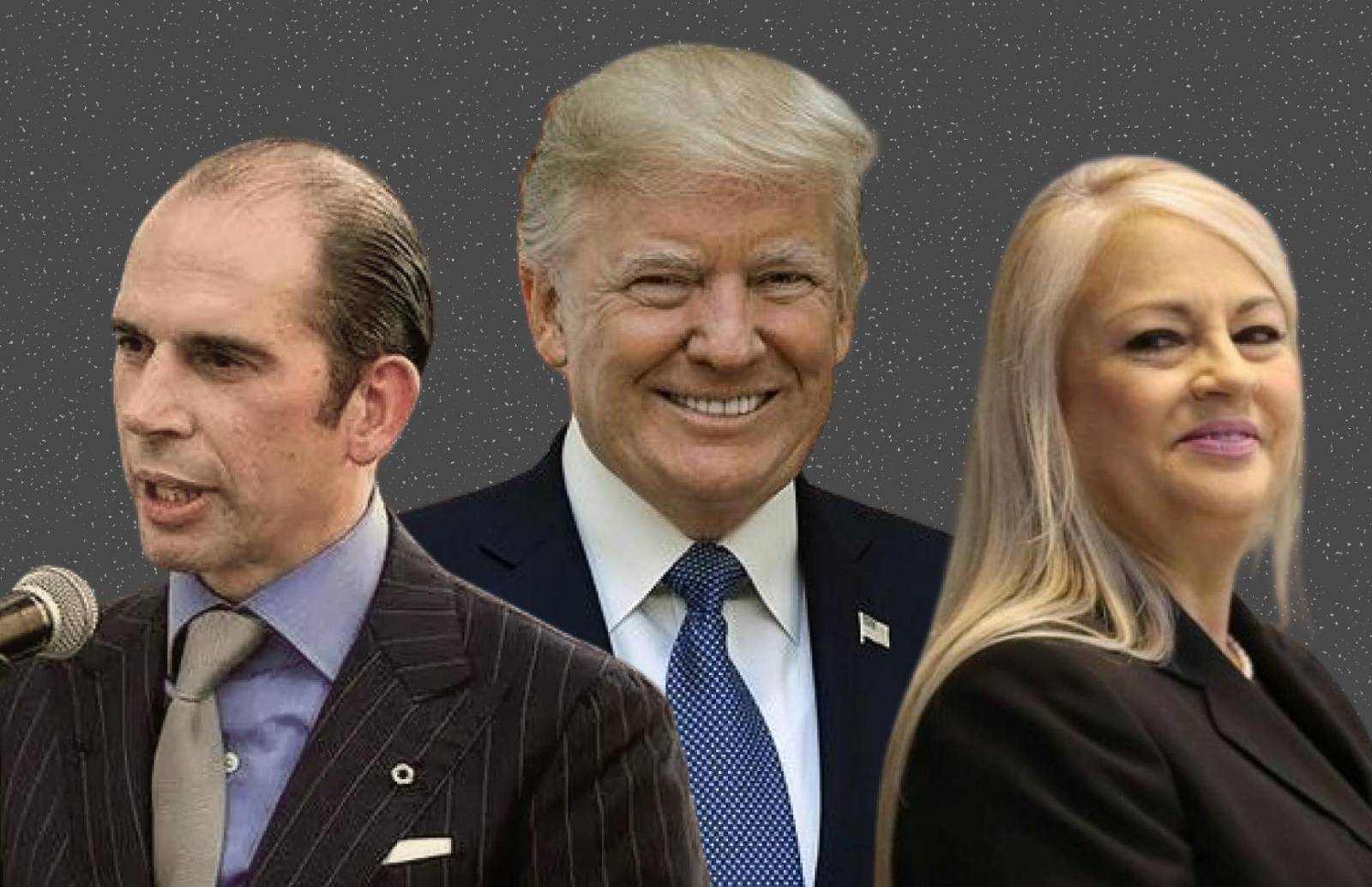
Wanda Vázquez Garced at a government or courthouse setting in Puerto Rico
Donald Trump has pardoned Wanda Vázquez Garced, ending a case that had been going on for years and putting her in danger of going to jail. The pardon also includes her two co-defendants, billionaire banker Julio Martin Herrera Velutini and former FBI agent Mark Rossini.
This is part of a larger pattern for Trump of being nice to politicians and white-collar criminals. Vázquez, on the other hand, sees it as the end of a personal and political nightmare that has included investigations, indictments, plea negotiations, and public scrutiny.
The White House Narrative: A Case Built on Politics
White House officials say that the prosecution of Vázquez was politically motivated from the start. They point to the fact that the investigation started about ten days after Vázquez backed Trump in the 2020 election. Officials in the administration say that the case never showed a quid pro quo agreement and that the interactions mentioned by prosecutors were just normal political talks, not corrupt deals.
The pardon materials sent in on Vázquez's behalf stress that investigators looked at both her campaign and the Trump campaign. This supports the idea that the case was more about politics than crime. The White House has compared this case to other cases it sees as examples of politically motivated enforcement.
How the Case Changed Over Time
The case against Vázquez in court did not end the way it started. At first, the prosecution's case against her was based on serious public corruption charges related to her 2020 gubernatorial campaign. However, as the trial date got closer, the prosecution's case became much weaker. In the end, federal prosecutors dropped the most serious charges and let all three defendants plead guilty to less serious campaign finance violations.
A federal judge openly worried about the change at the last minute, pointing out how much lower the possible penalties had become. Trump's pardon wiped out even the lesser conviction before sentencing could take place, ending the case completely.
Why Supporters See the Pardon as a Reset
People who support the pardon say that the most important thing is not whether corruption should be punished, but whether prosecutions are done carefully and consistently. People start to wonder if the original case was too serious when felony charges are made public, fought over in court for years, and then quietly dropped to a misdemeanor.
From this perspective, the punishment was not the sentence but the process itself: damage to reputation, political exile, and a lingering suspicion that began well before any court decision. In that sense, clemency is a way to make things right—an acknowledgment that justice shouldn't be affected by long waits or media pressure.
Why All Three Defendants Were Included
The White House's decision to pardon not only Vázquez but also Herrera Velutini and Rossini show that it thinks the whole prosecution is wrong. Officials say that letting all three defendants go shows that they don't just feel sorry for one political figure, but that they also think the case is weak.
The administration says that by treating all of the defendants the same, it is dealing with what it sees as systemic overreach instead of giving a narrow, individual favor.
Backlash in Puerto Rico and Concerns About Accountability
A lot of people, especially those from Puerto Rico, have been very rude. The congressman from the island, Pablo José Hernández, spoke out against the pardon. He said it hurts people's trust in the government and could make people act badly in the future. He believes that when major cases conclude without repercussions, individuals are less inclined to assume responsibility.
The hardest part about the pardon is how to keep the public's trust while avoiding prosecutions that seem unfair or politically motivated. This criticism proves that. Some people think that the pardon means they won't have to pay for what they did.
From Rapid Rise to Legal Fallout
Vázquez's rise in politics was quick. She had been a lawyer and public servant for a long time before becoming governor in August 2019, when Ricardo Rosselló stepped down because of mass protests. Her time in office was less than two years, and it ended when she lost her party's primary.
She was arrested in August 2022 on charges that she had swayed the leaders of Puerto Rico's financial regulatory body during talks about her campaign. After that, there was a long legal battle that fell apart before it could go to trial.
A Broader Pattern of Clemency
Trump's choice is also part of a larger effort to break up cases that the Justice Department's Public Integrity Section used to handle. This section was set up after Watergate to handle sensitive corruption cases. Trump has given pardons and commutations to a lot of different people in the past year, including politicians, business leaders, and people who were involved in the events of January 6.
Supporters say this is a necessary check on what they see as too much power in the hands of prosecutors. People who don't like it say it's a way to avoid responsibility.
Closure for One Case, Questions for the System
Vázquez has said that the pardon gives him more than just vindication; it lets him move on after years of unanswered accusations. But the bigger argument is still going on. The pardon brings things back into balance for some people. It denies justice to some.
The controversy surrounding this case poses persistent inquiries for Puerto Rico and beyond: if commonplace political activities, such as endorsements and meetings, can subsequently be reinterpreted as criminal acts based on inference rather than evidence, can political existence operate devoid of apprehension? And if prosecutions change course without a clear reason, can people still trust the justice system?
The White House says that investigations should never be used as political tools. The main point of the debate is whether this pardon strengthens or weakens that principle.
References:
- AP News — Trump plans to pardon ex-Puerto Rico governor | AP News
- Fox News — Trump to pardon former Puerto Rico Governor Wanda Vazquez Garced
- The Washington — PostTrump pardons former Puerto Rico governor in campaign finance case - The Washington Post
- Reuters — Trump pardons former Puerto Rico governor Vazquez | Reuters
- CBS News — Trump pardons Puerto Rico's former governor Wanda Vazquez - CBS News
- reuters.com — Trump pardons former Puerto Rico governor Vazquez
- reuters.com — Trump to pardon former Puerto Rico governor Vazquez, ...11 hours ago — Jan 16 (Reuters) - U.S. President Donald Trump is issuing a pardon to Puerto Rico's former Governor Wanda Vazquez Garced, who was previously ...Donald Trump, Julio Herrera Velutini, Wanda Vazquez, Mark Rossini
- apnews.com — Trump plans to pardon ex-Puerto Rico governor8 hours ago — WASHINGTON (AP) — President Donald Trump plans to pardon former Puerto Rico Gov. Wanda Vazquez, a White House official said Friday.Donald Trump, Julio Herrera Velutini, Wanda Vazquez, Mark Rossini
- foxnews.com — Trump to pardon former Puerto Rico governor and her co- ...11 hours ago — A White House official says an investigation into Wanda Vazquez Garced began 10 days after she endorsed President Donald Trump in 2020.Donald Trump, Julio Herrera Velutini, Wanda Vazquez, Mark Rossini
- cbsnews.com — Trump pardons Puerto Rico's former governor Wanda Vazquez
- nbclosangeles.com — Trump pardons former Puerto Rican Gov. Wanda Vazquez ...9 hours ago — President Donald Trump pardoned former Puerto Rican Gov. Wanda Vazquez, who was accused of participating in a bribery scheme, a White House ...Donald Trump, Julio Herrera Velutini, Wanda Vazquez, Mark Rossini
- youtube.com — President Trump to pardon former Puerto Rico governorPresident Trump is issuing a pardon to Puerto Rico's former Governor Wanda Vazquez Garced following her guilty plea in a campaign finance case
- aljazeera.com — Trump to pardon former Puerto Rico Governor Wanda ...5 hours ago — Vazquez accepted a plea deal in 2025 after she was accused of participating in a bribery scheme while in office.
- aljazeera.com — Trump to pardon former Puerto Rico Governor Wanda Vazquez after plea deal
- facebook.com — President Trump pardons former Puerto Rican Gov. Wanda ...President Trump pardons former Puerto Rican Gov. Wanda Vazquez Garced, who was accused of participating in a bribery scheme, a White House ...
- facebook.com —Trump plans to pardon Puerto Rico's former governor ...CBS NEWS: Trump plans to pardon Puerto Rico's former governor, Wanda Vazquez-Garced, who pleaded guilty last year in a federal public corruption ...Donald Trump, Julio Herrera Velutini, Wanda Vazquez, Mark Rossini
- latimes.com — Trump to pardon ex-Puerto Rico governor Vazquez in campaign finance case, official says
- news4jax.com — Trump plans to pardon ex-Puerto Rico Gov. Vazquez in ...10 hours ago — Trump plans to pardon ex-Puerto Rico Gov. Vazquez in campaign finance violation case, official says. Darlene Superville. Associated Press.Donald Trump, Julio Herrera Velutini, Wanda Vazquez, Mark Rossini
- forbes.com — Trump Pardons 21: Convicted Fraudster Gets Freed By Trump For 2nd Time
- kfgo.com — Trump to pardon former Puerto Rico governor Vazquez
- foxcarolina.com — Trump plans to pardon ex-Puerto Rico Gov. Vazquez in campaign finance violation case, official says
- walb.com — Trump plans to pardon ex-Puerto Rico Gov. Vazquez in campaign finance violation case, official says
- piquenewsmagazine.com — Trump plans to pardon ex-Puerto Rico Gov. Vazquez in ...10 hours ago — WASHINGTON (AP) — President Donald Trump plans to pardon former Puerto Rico Gov. Wanda Vazquez, a White House official said Friday.
- wibw.com — Trump plans to pardon ex-Puerto Rico Gov. Vazquez in ...10 hours ago — Vazquez, an attorney, was the U.S. territory's first former governor to plead guilty to a crime, specifically accepting a donation from a ...Donald Trump, Julio Herrera Velutini, Wanda Vazquez, Mark Rossini
- iheart.com — Trump To Pardon Former Puerto Rico Governor Wanda ...9 hours ago — The allegations claimed that Vazquez accepted a bribery offer to dismiss Puerto Rico's financial commissioner in exchange for campaign support.Donald Trump, Julio Herrera Velutini, Wanda Vazquez, Mark Rossini
- yahoo.com — Trump to pardon former Puerto Rico governor Vazquez11 hours ago — WASHINGTON, Jan 16 (Reuters) - U.S. President Donald Trump is issuing a pardon to Puerto Rico's former Governor Wanda Vazquez Garced, who was ...Donald Trump, Julio Herrera Velutini, Wanda Vazquez, Mark Rossini
- yahoo.comTrump pardons former Puerto Rican Gov. Wanda Vazquez ...She pleaded guilty last August as part of a plea agreement with the Trump administration and was scheduled to be sentenced later this month. “Ms ..
- katv.com — Trump set to pardon ex-Puerto Rico Gov. Wanda Vazquez9 hours ago — WASHINGTON (TNND) — President Donald Trump plans to pardon former Puerto Rico Gov. Wanda Vazquez after she pleaded guilty to bribing people ...Donald Trump, Julio Herrera Velutini, Wanda Vazquez, Mark Rossini
- actionnews5.com — Trump plans to pardon ex-Puerto Rico Gov. Vazquez in ...10 hours ago — President Donald Trump plans to pardon former Puerto Rico Gov. Wanda Vazquez, a White House official said Friday
- ms.now — Trump pardoning former Puerto Rico governor and 2 others 8 hours ago — President Donald Trump will pardon former Puerto Rico Gov. Wanda Vazquez Garced, who pleaded guilty to a corruption charge related to her 2020 ...Donald Trump, Julio Herrera Velutini, Wanda Vazquez, Mark Rossini
- kioncentralcoast.com — Trump's pardon of convicted woman is the second time ...6 hours ago — The White House official cited the timing of the investigation ... they said began 10 days after she endorsed Trump in 2020 — as proof.Donald Trump, Julio Herrera Velutini, Wanda Vazquez, Mark Rossini
- kesq.com — Trump to pardon ex-Puerto Rico governor who pleaded ...9 hours ago — The White House official cited the timing of the investigation ... they said began 10 days after she endorsed Trump in 2020 — as proof.Donald Trump, Julio Herrera Velutini, Wanda Vazquez, Mark Rossini
- investing.com — Trump to pardon former Puerto Rico governor Vazquez 5 hours ago — Trump is also pardoning Vazquez's co-defendants Julio Martin Herrera Velutini and Mark Rossini, CBS News, which first reported the ...Donald Trump, Julio Herrera Velutini, Wanda Vazquez, Mark Rossini
- wcbi.com — Trump pardoning Puerto Rico's former governor Wanda ...7 hours ago — ... investigation into Vazquez started in 2020, days after she had endorsed Mr. Trump. “Ms. Vazquez's pardon materials state that there was ...Donald Trump, Julio Herrera Velutini, Wanda Vazquez, Mark Rossini
Corporate governance expert with a focus on board oversight, executive compensation, shareholder activism, risk management, and board composition.
Advises on best practices for organizational structure, leadership accountability, and long-term shareholder value.
Credentials: JD, Governance Certification, Former Board Advisor.

US Stock Market Today: Wall Street Drops as AI Bubble Fears Hit Tech Stocks
Wall Street slipped on Friday as concerns over a potential AI bubble intensified following Broadcom's weaker-than-expected sales forecast.
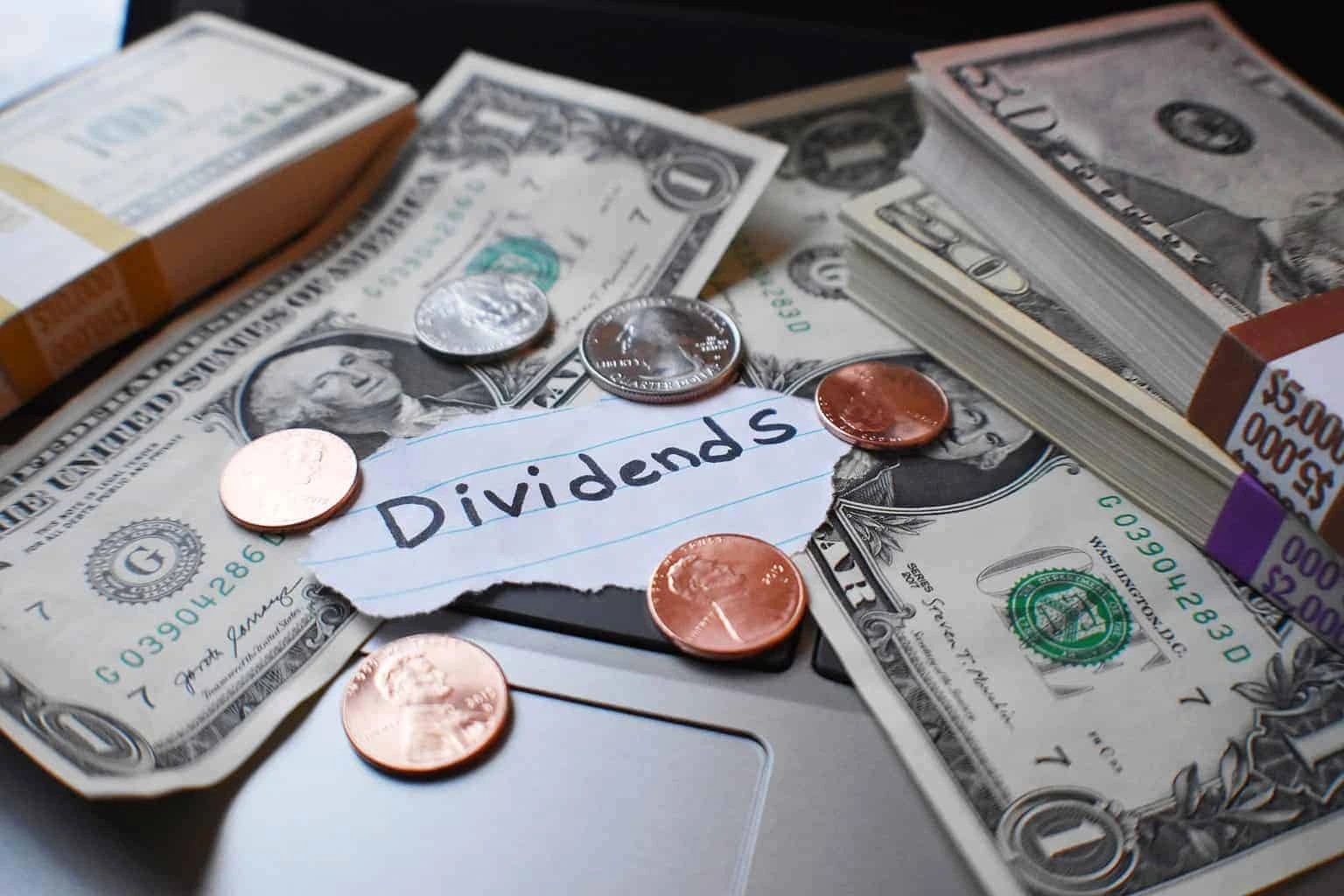
Long-Term Investors Add Dividend Stocks as Yields Stabilize
Long-term investors are increasing exposure to dividend-paying stocks as Treasury yields stabilize and income-focused strategies regain appeal.
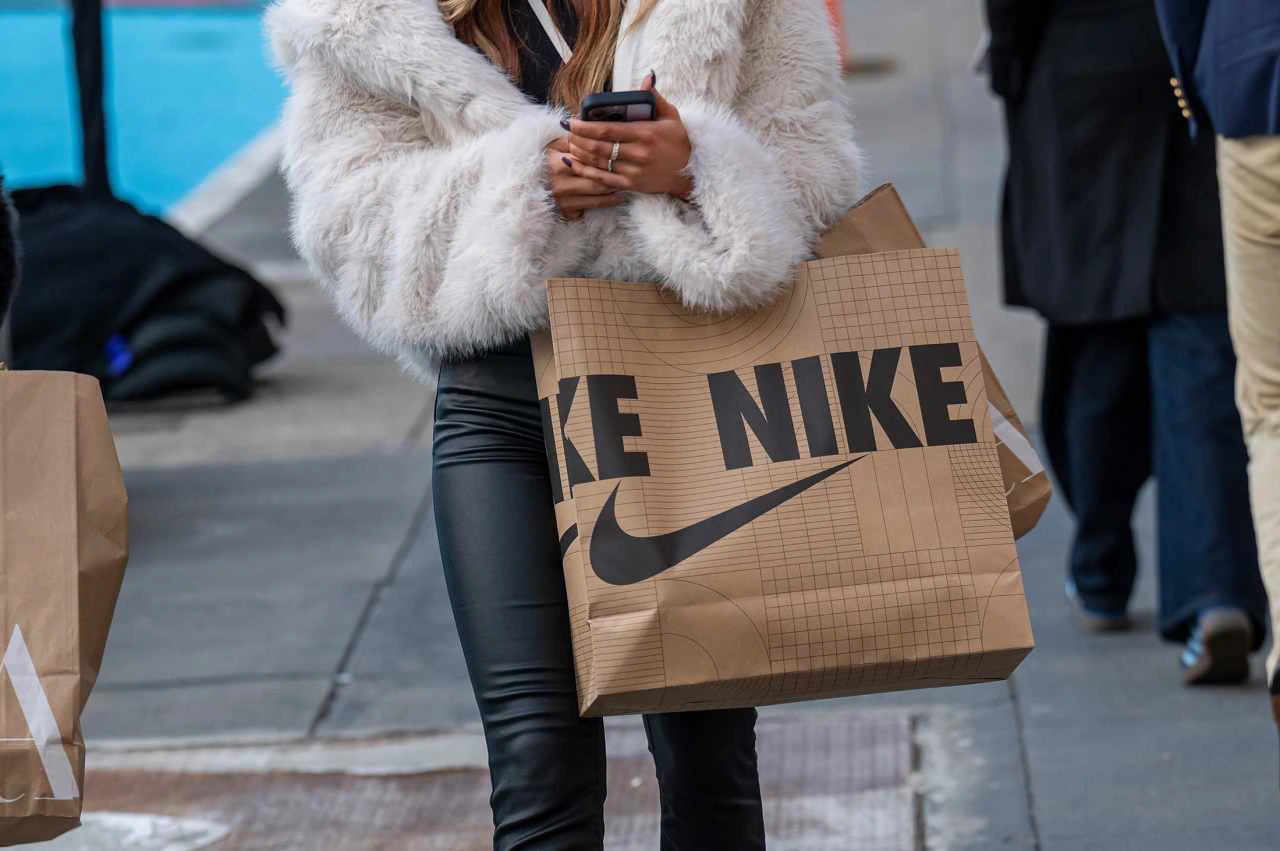
Nike Tops Earnings Forecasts as Holiday Demand Surges
Nike delivered stronger-than-expected quarterly earnings as holiday-season sales and international growth boosted results.
U.S. Consumer Spending Softens as Inflation Pressures Persist
U.S. consumer spending showed signs of slowing as persistent inflation and higher borrowing costs weighed on household budgets.

Board Diversity Remains in Focus as Investors Demand Broader Representation
U.S. investors are renewing calls for greater board diversity, pushing companies to expand representation across gender, ethnicity, and professional background.
about us

Shareholders' Digest is an independent financial news and analysis publication dedicated to shareholders, investors, and market participants. We deliver timely coverage of global markets, corporate earnings, economic trends, and governance issues that shape long-term investment outcomes.
recent posts
tags
follow
Substack
Medium
Reddit
X
author
newsletter
Go To
Top